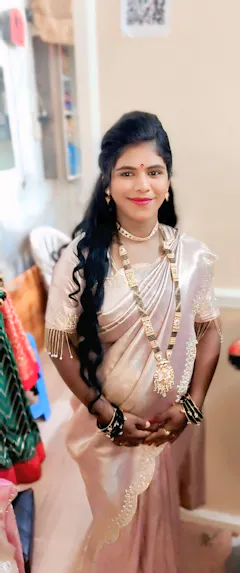
Paithani Sarees by Moolchand Mill
A Paithani saree is one of India's most recognised traditional silk sarees, known for its rich weave, structured drape, and detailed zari work. Originating from Maharashtra, Paithani sarees have remained relevant across generations because of their strong cultural value and consistent design identity.
At Moolchand Mill, this collection is built for customers looking for Paithani sarees for weddings, festivals, and traditional occasions. The focus is on maintaining traditional design elements while ensuring the sarees are wearable, durable, and suitable for long hours.
If you're planning to buy Paithani saree online or offline, this collection brings together multiple options across colors, border styles, and design densities so you can choose based on occasion and preference.
What Defines a Paithani Saree
The identity of a Paithani saree comes from its distinctive design elements and visual structure. Paithani motifs follow traditional patterns that have been part of Maharashtra's textile heritage for generations.
Some defining characteristics include:
- A contrast border that frames the saree
- A heavily designed pallu with structured, symmetrical layouts
- Motifs such as peacocks, lotuses, vines, Muniya (Parrot), and geometric forms
- Clear definition of patterns across the fabric
This combination of structure, symmetry, and detailed design is what separates Paithani from other silk saree categories.
Fabric, Silk Quality and Structure
Paithani sarees are made using silk yarn, which gives them their smooth texture and natural sheen. The silk used in a Paithani saree is slightly structured, which helps the saree hold its shape instead of collapsing like lighter fabrics.
The construction is dense and well-finished. This ensures:
- Better durability over time
- Clear definition of motifs
- A balanced fall when draped
At Moolchand Mill, the collection is curated to ensure that the sarees are not just visually rich but also practical to wear during long wedding functions, rituals, and festive gatherings.
Selecting a Paithani Saree
Choosing a Paithani isn't just about color. It involves understanding how different elements come together.
When selecting a Paithani saree online, key factors to consider include:
- Silk thickness and texture
- Sharpness and clarity of motifs
- Density of zari work in the pallu
- Balance between body, border, and pallu
A well-made Paithani will always look consistent across the entire saree, without uneven patterns or faded sections.
Understanding Paithani Borders
Borders play a key role in defining the overall look of a Paithani saree and significantly influence how traditional, formal, or statement-worthy it appears.
Chatai Border: One of the most traditional Paithani border patterns, known for its classic design that reflects heritage styling.
Munia Border: A relatively newer and trending style, featuring small parrot (munia) motifs that add a vibrant and playful touch.
Peacock Border: A timeless favorite, showcasing intricately designed peacock motifs that symbolize beauty and elegance.
Lotus Border: Inspired by the lotus motif, this border reflects purity and grace, often seen in more refined and artistic designs.
In addition to design, the width of the border also impacts the saree's overall appeal:
- Narrow borders are ideal for lighter occasions and frequent wear
- Medium borders offer a balanced and versatile traditional look
- Broad, detailed borders are best suited for weddings and statement dressing
In many cases, borders also feature repeating motifs, adding rhythm, continuity, and structure to the saree's design.
Understanding Motifs & Pallu Design
Paithani patterns are distinguished by their traditional motifs, each reflecting cultural symbolism and detailed design work. Some of the most recognised designs include:
Bangdi Mor (Peacock in Bangle): A peacock motif enclosed within a circular bangle-like form, reflecting classic Paithani artistry.
Muniya / Tota-Maina (Parrot): Bright parrot motifs that add a lively and vibrant touch, often seen along the borders.
Asavali (Flowering Vine): Detailed vine patterns with floral elements, commonly inspired by lotus designs and rooted in traditional influences.
Narali (Coconut): Coconut-inspired motifs symbolising auspiciousness, frequently incorporated into border designs.
Kamal / Ajanta Lotus: Lotus motifs inspired by Ajanta art, representing purity and elegance.
Kuyri / Koyari (Mango/Paisley): A classic paisley form associated with fertility and timeless design.
Chandrakor (Crescent Moon): A crescent-shaped motif that adds a subtle and graceful detail, often used in borders.
These traditional motifs appear most prominently across the borders and pallu.
The pallu is the focal point of a Paithani saree, showcasing the most intricate work and the highest use of zari. It defines the overall richness of the saree, with motifs arranged in a precise, symmetrical layout. This structured composition is a defining characteristic of Paithani design.
Colour Range and Combinations
Colour plays an important role in how a Paithani saree is perceived and worn.
The collection includes:
- Traditional tones like red, green, yellow for weddings and rituals
- Festive shades like pink, purple, and blue
- Dual-tone combinations that change appearance under different lighting
Contrast borders and pallus are used to enhance the base colour, making the saree visually complete.
When to Wear a Paithani Saree
A Paithani saree is suitable for multiple traditional and formal occasions.
Weddings
Paithani sarees are widely worn by brides and close family members. They're also used for pre-wedding and post-wedding functions because of their cultural importance and silk fabric.
Gudi Padwa
This is one of the most important occasions for wearing Paithani sarees, especially in Maharashtrian households. Bright and auspicious colours are commonly chosen.
Festivals and Religious Occasions
Paithani sarees are worn during Diwali, Ganesh Chaturthi, poojas, and temple visits where traditional attire is expected.
Family Functions
They're also suitable for naming ceremonies, housewarming events, and formal gatherings where a traditional dress code is followed.
If you're planning to buy Paithani saree online, selecting based on occasion helps in choosing the right weight, colour, and border type.
Paithani Sarees Beyond Maharashtra
While Paithani sarees originate from Maharashtra, they're now worn across India. Customers from different regions choose Paithani sarees for weddings, festivals, and cultural events because of their silk fabric and structured design.
The demand for Paithani saree online has also increased as customers prefer access to traditional sarees without location limitations.
Paithani Saree Price and Value
The Paithani saree price varies depending on the silk quality, zari work, and design complexity.
Key factors that influence price include:
- Quality of silk used
- Amount and type of zari work
- Complexity of motifs and pallu
- Overall design density
Paithani sarees start from around ₹1,000, making them an accessible option for festive and occasional wear. Premium options with richer silk, denser zari, and more detailed work can go up to ₹50,000 and beyond.
Simpler sarees fall into an accessible range, while heavily designed pieces with detailed pallus and intricate motifs are considered premium investments.
At Moolchand Mill, the collection is structured to offer options across different price points while maintaining consistency in fabric quality and design.
Caring for Your Paithani Saree
A Paithani saree requires proper care to maintain its texture and finish over time.
- Dry clean after use
- Store in a muslin or cotton cloth
- Avoid plastic storage
- Keep away from moisture and direct sunlight
- Refold occasionally to prevent permanent creases
With proper care, Paithani sarees can last for years and retain their original appearance.
Buy Paithani Sarees Online in India
If you're looking to buy Paithani saree online, Moolchand Mill offers a collection that focuses on clarity, consistency, and design quality. You can explore different colours, border styles, and motif variations with detailed product views to make an informed choice.
Frequently Asked Questions
What makes a Paithani saree different from other silk sarees?
Paithani sarees are defined by their distinctive motifs, contrast borders, and detailed pallus, which follow traditional Maharashtrian design patterns.
Is Paithani saree only for weddings?
No. It's also worn for festivals, religious occasions, and family functions.
How do I choose the right Paithani saree online?
Look at silk quality, border width, motif detailing, and the occasion you're buying for.
Why does Paithani saree price vary so much?
It depends on silk quality, zari work, and the complexity of the design.